A Few Notes from the Saudi Training
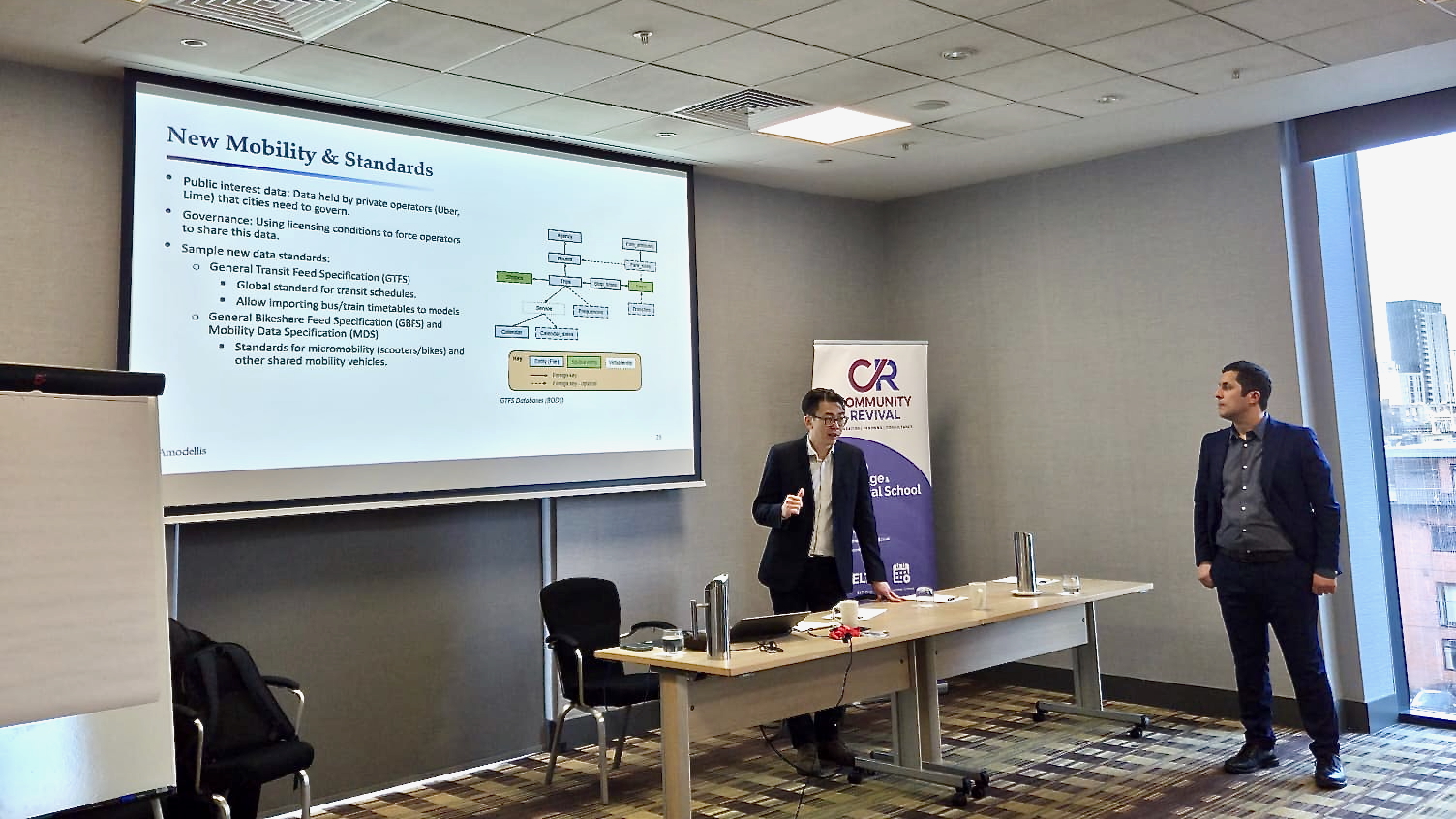
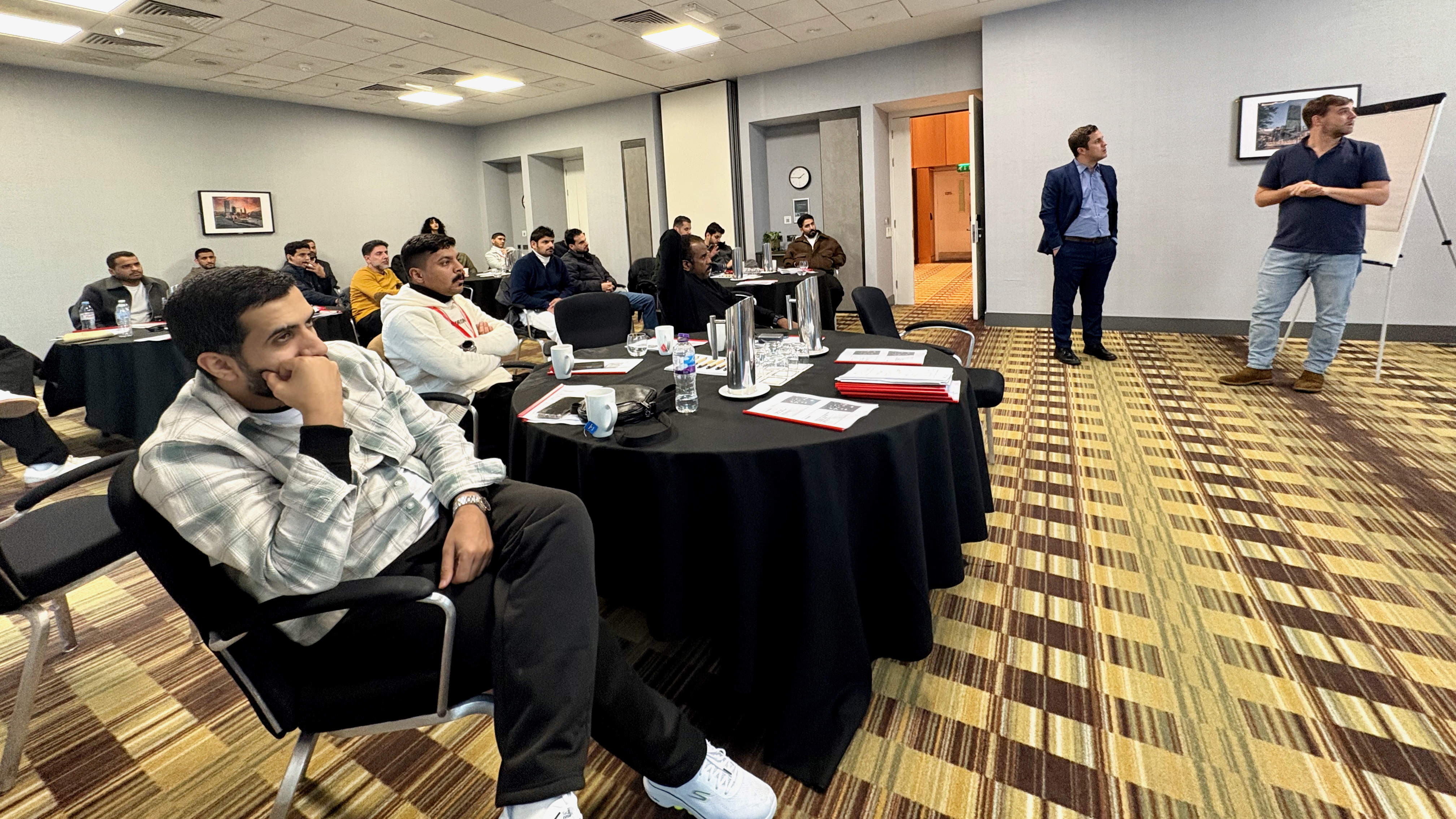
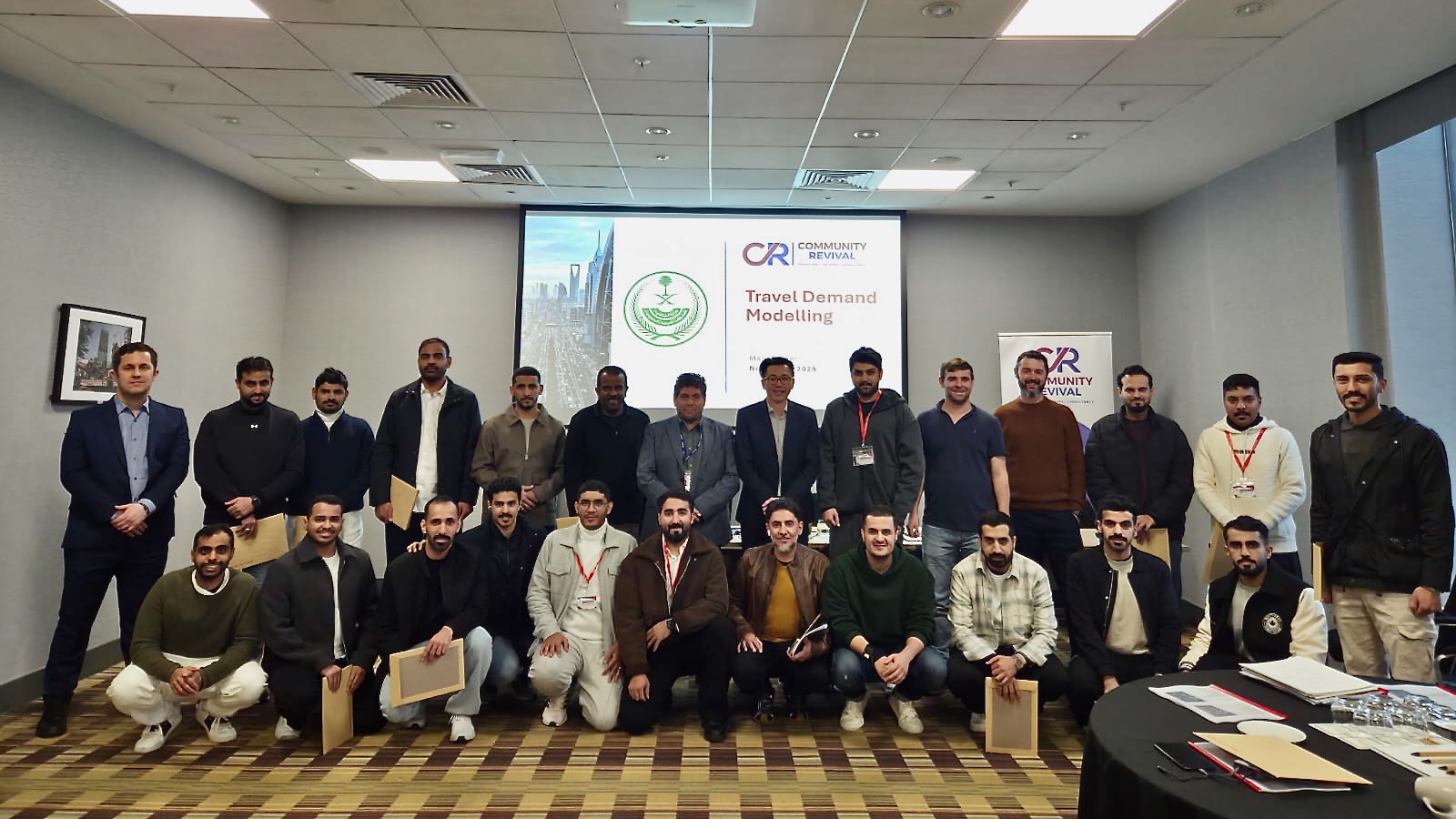
Last week, as I continue establishing the Amodellis practice, I had the opportunity to deliver a four-day executive training programme for a 20-person delegation from the Ministry of Interior of Saudi Arabia. The opportunity came through an introduction from Fred Ewing and was commissioned by Community Revival.
The course was titled Travel Demand Modelling, and I was given a rough outline to work from. The structure was sensibly progressive:
- Day 1: data ecosystems and governance
- Day 2: descriptive analytics and visualisation
- Day 3: travel demand modelling theory
- Day 4: predictive analytics
A nice balance of fundamentals and application — enough theory to be meaningful, but not so much that the purpose of modelling got lost.
Below are a few reflections from my teaching experience.
Visualisation is king
We all know this, but the session made it obvious. Participants were most engaged when exploring data visually.
Of the many official data portals demonstrated, the one that grabbed everyone’s attention was National Highways’ WebTRIS, with its clean UI and API support. Perhaps unsurprisingly, the idea of accessibility mapping — something I personally value a lot — felt less familiar to the group. I hope a seed of transport equity thinking was planted along the way.
When it came to modelling outputs, they absolutely loved the 3D animations shown on the OpenPaths website.
Inspiring public dashboards
While searching for dashboard examples, I discovered several impressive unofficial public transport dashboards, such as:
- the Railway Ticket Sales & Ridership Dashboard by Carlos Pacheco
- various analytics dashboards by Richard Rowson
There is something refreshing about well-crafted grassroots tools. Perhaps a future side-project for Amodellis.
Smart Motorways: an unexpected crowd favourite
Despite their resilience with modelling theory, participants were distinctly more excited about learning how the UK’s Smart Motorway system works. I added a few slides — and happily learned a lot myself.
Some fun facts that stood out:
- Reconfiguring parts of the motorway network into all-lane-running (ALR) smart motorways since 2023 cost £5b — a huge number, but still only a fraction of rail investment.
- To manage congestion and prevent shockwave braking, each motorway section is individually calibrated using historical data so that signals activate only when truly necessary.
I also watched a TRL video on the SMCALO system for monitoring traffic. I now want a copy running on my own machine.
How much has Riyadh changed?
I told participants about my stint in Riyadh back in 2014, when I worked on planning for the Riyadh Metro. I used to drive from the Diplomatic Quarter to Al Sulaimaniyah — driving like a maniac just to survive the flow.
Participants assured me that things are far calmer now and invited me to return. I am not entirely convinced… especially as my own driving style has slowed with age!
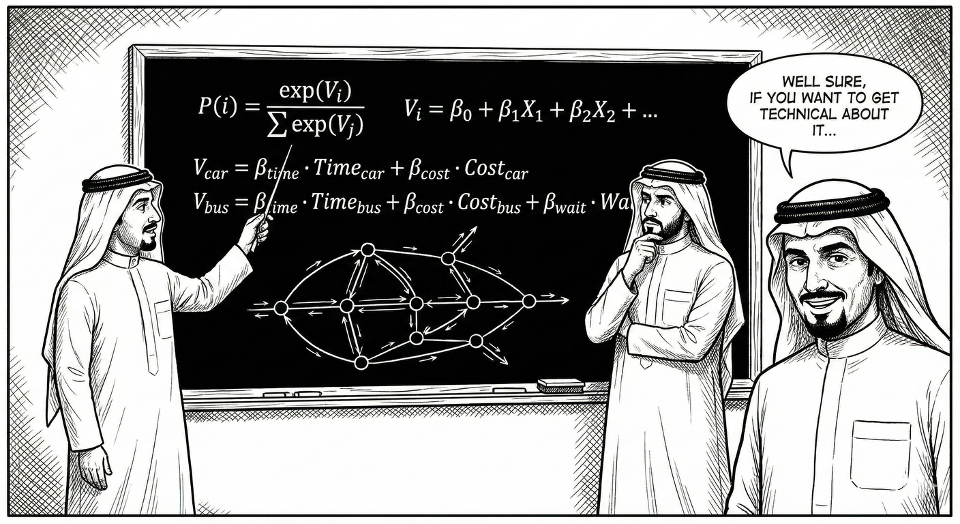
The wonderful Nano Banana Pro
My course prep coincided with the arrival of a fantastic new LLM tool for generating graphics. Text placement is no longer chaotic, and the images make coherent sense for teaching.
It feels like a genuine step forward. At the moment, Gemini 3 edges out ChatGPT-5 for illustration work, at least in my hands.
Agentic AI steals the show
The standout moment came courtesy of Nathan Watts from TransHumanity.AI, who demonstrated an agentic-AI tool capable of extracting insights from prompts about Manchester data — traffic, accidents, weather and more.
Surprise Surpise! Participants asked more questions in his half-hour session than in the rest of the four days combined…
The message landed clearly: AI in transport is no longer optional — it is here, useful and inevitable. And hopefully Amodellis can contribute in our own small way in the future too.
Thanks to the people who made it work
This course would not have been successful without:
- Naim Kishi, the superb real-time translator — my first time teaching through live translation. The pauses between sentences turned out to be a blessing, giving me space to read the room and adjust the pace.
- Abid Satwilkar from Community Revival, for trusting me with the assignment and supporting the week throughout.
- Fred Ewing, known to just about every modeller in the UK, for the introduction and encouragement.
It was a hugely positive week — and with luck, future training sessions will welcome a more gender-diverse group of participants as opportunities for women in transport continue to grow across Saudi Arabia.
If you’re interested in executive training, analytics capability-building, or tailored workshops on transport modelling and data, feel free to get in touch. Amodellis is always keen to collaborate and share knowledge with teams around the world.
Enjoy Reading This Article?
Here are some more articles you might like to read next: